
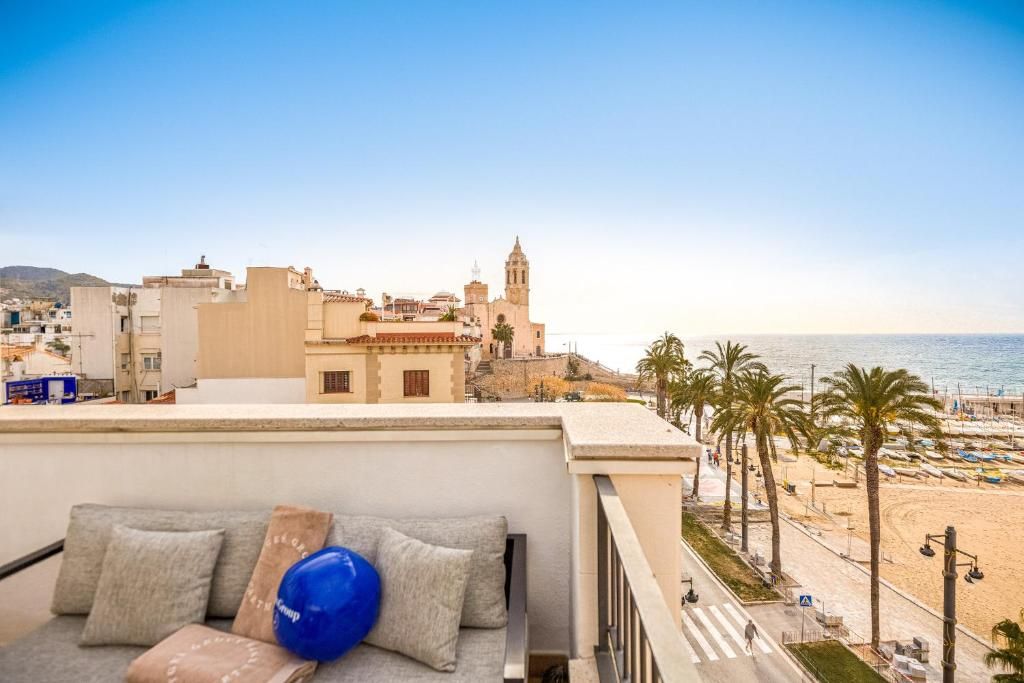

Business type
Tourist apartments
Location
Sitges
Areas of work
Revenue · Distribution · Strategy
Working together since
2018
Size
8 buildings
Eight tourist apartment buildings. A different question from the usual one: what result does this business really need to generate?
The starting point
A revenue strategy that didn't cover the business's structure.
Sitges Group currently manages eight tourist apartment buildings in Sitges. When it started working with ABAL in 2018, it managed six, and Revenue Management was nothing new to the company: it had previously worked with specialist services.
The challenge was something else. Despite having a revenue strategy, revenue wasn't enough to properly cover the business's structure and sustain the level of investment its assets required.
ABAL started with a different question: what result does this business really need to generate?
Before setting prices, we analysed the company's cost structure and financial needs to establish its break-even point. The business was highly seasonal, with occupancy of around 15–20% in certain low-season months, especially January, February, November and December.
The aim was to build a strategy capable of generating the revenue needed to sustain the structure, improve the bottom line and allow the group to keep investing in its properties.
What we saw
We didn't start with price. We started with the business.
The revenue strategy had to start from the business's financial reality and understand how demand, price, occupancy, distribution, product and seasonality contributed to the final result.
The decisions
Making the lowest-demand months productive.
Based on that analysis, we built a Revenue Management strategy tailored to Sitges Group and reviewed on an ongoing basis.
A significant part of the strategy focused on making the lowest-demand months productive. Pricing, distribution, restrictions and availability were adapted to increase occupancy during the low season.
We also reviewed when to carry out the necessary investments and refurbishments on the assets. Instead of blocking inventory during high-demand periods, the work began to be concentrated in the quieter months, reducing its impact on revenue.
- Develop a pricing and availability strategy adapted to demand
- Work specifically on lower-occupancy periods and seasonality
- Optimise restrictions, minimum stays and inventory
- Review distribution, channels and sales opportunities
- Adapt revenue decisions to the evolution of the product and the business
The result
×2
Revenue from the six original buildings has more than doubled since the relationship with ABAL began in 2018.
6 → 8
That growth has allowed the group to keep investing in its assets and expand the portfolio to eight buildings, which was one of its goals.
Growth has left behind a situation in which revenue wasn't enough to properly sustain the group's structure and investment needs. Over these years, Sitges Group has continued investing, improving its assets and evolving its product.
A relationship that evolves with the business
The collaboration began in 2018 and continues today.
Since then, the strategy has adapted to changes in demand, the market, the assets and the company's needs. Over that time, the portfolio has grown from six to eight buildings.
Related case studies
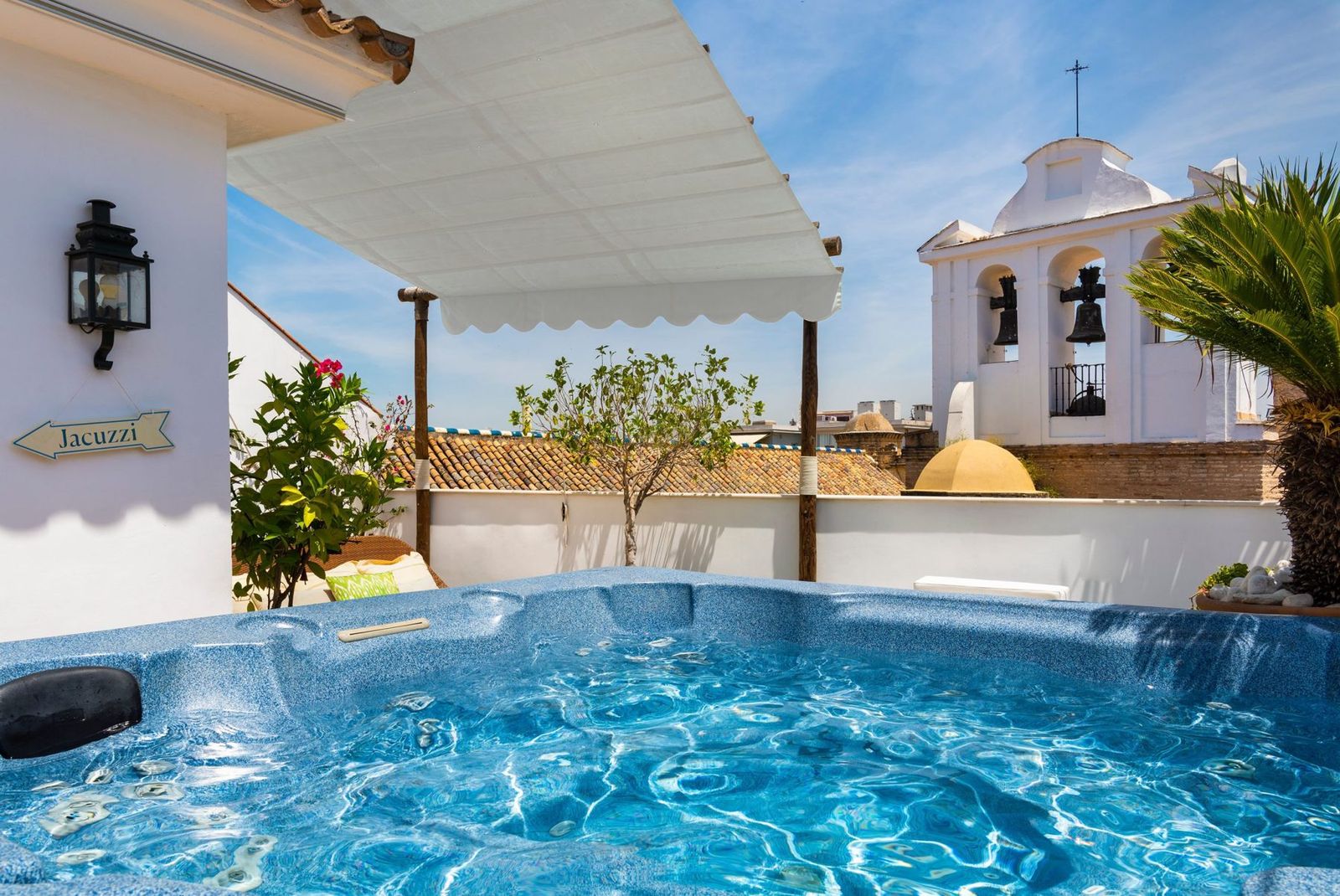
Boutique apartments · Seville
CH Boutique
Strategy · Feasibility · Product · Revenue Management · Reputation
See the case study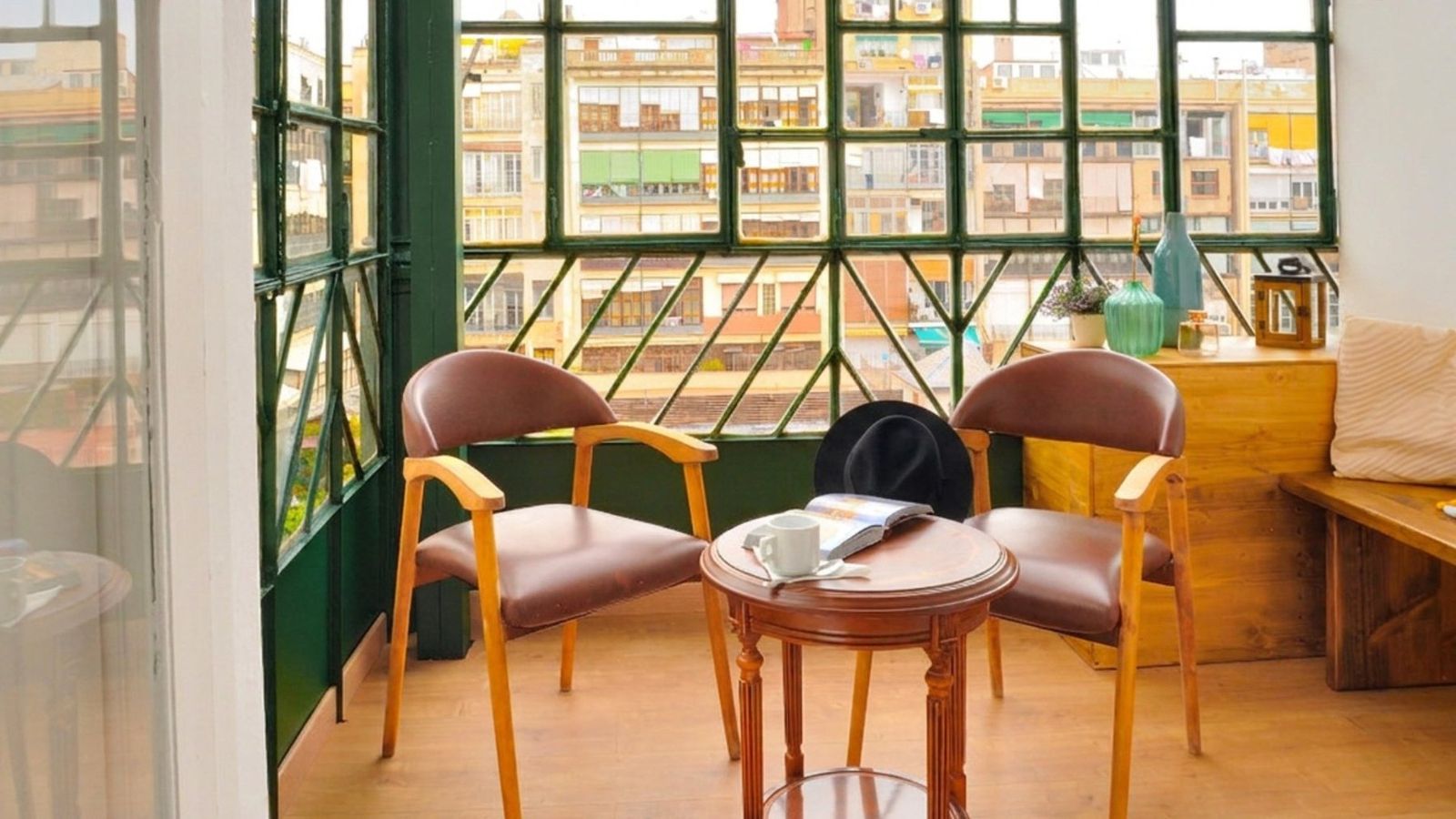
Boutique guesthouse · Barcelona · Video
Hostal Girona
Revenue Management · Product · Repositioning · Investment · Reputation
See the case study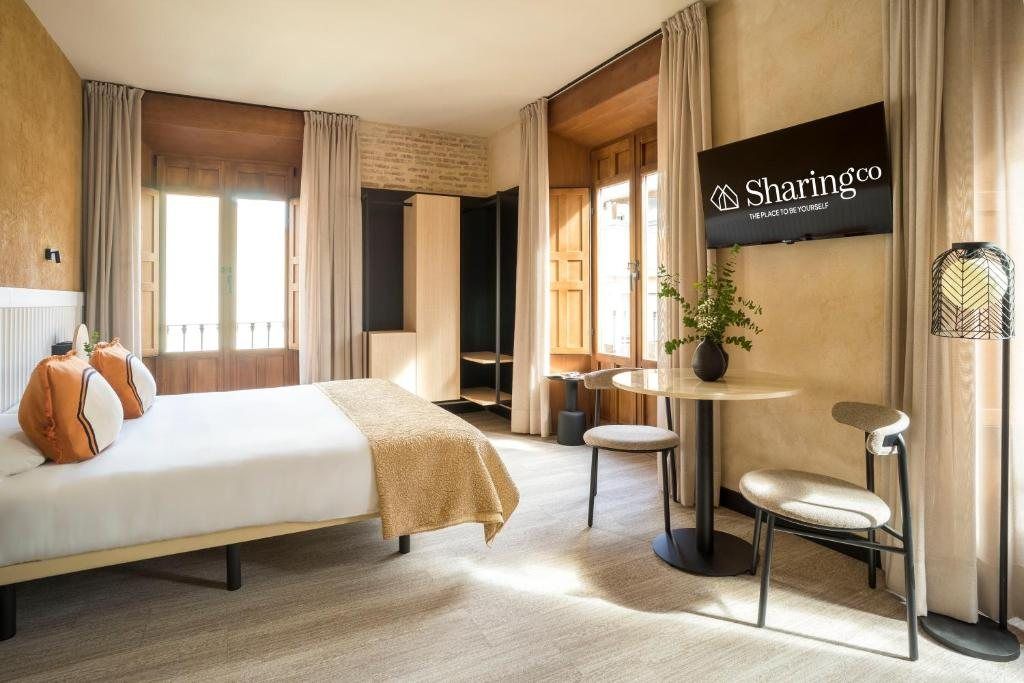
Multi-city portfolio · Spain
Sharing & Co
Revenue Management · Business Intelligence · Expansion · Mid Stay · Feasibility
See the case study